European Boat Transport

MOVE THE BOAT. PLAN THE ROUTE. ARRIVE READY.

Moving a vessel between European harbors isn't simply hauling freight; it's a multi-stage logistics project. From cradle clearances to coastal slipway permits, careful advance coordination keeps your hull sound, your itinerary predictable, and your destination team informed.

Operational Flow

The Transport Arc

A coordinated passage follows a precise sequence from preliminary survey to marina launch.

01

ASSESS

Verify total height on trailer, draft points, beam width, and port crane capacities.

02

PREPARE

De-rig spars, drain black and freshwater tanks, secure hatches, and seal flybridge consoles.

03

ROUTE

Survey transit corridors, toll tunnels, clearance envelopes, and escort prerequisites.

04

TRANSPORT

Transit with tailored support cradles, monitored tie-downs, and compliant transit permits.

05

DELIVER

Joint inspection with dockmaster, sling positioning check, and formal condition sign-off.

Primary Guides

Specialist Boat Movement Practicalities

Five focused areas addressing the logistical realities of moving leisure vessels across European road and port networks.

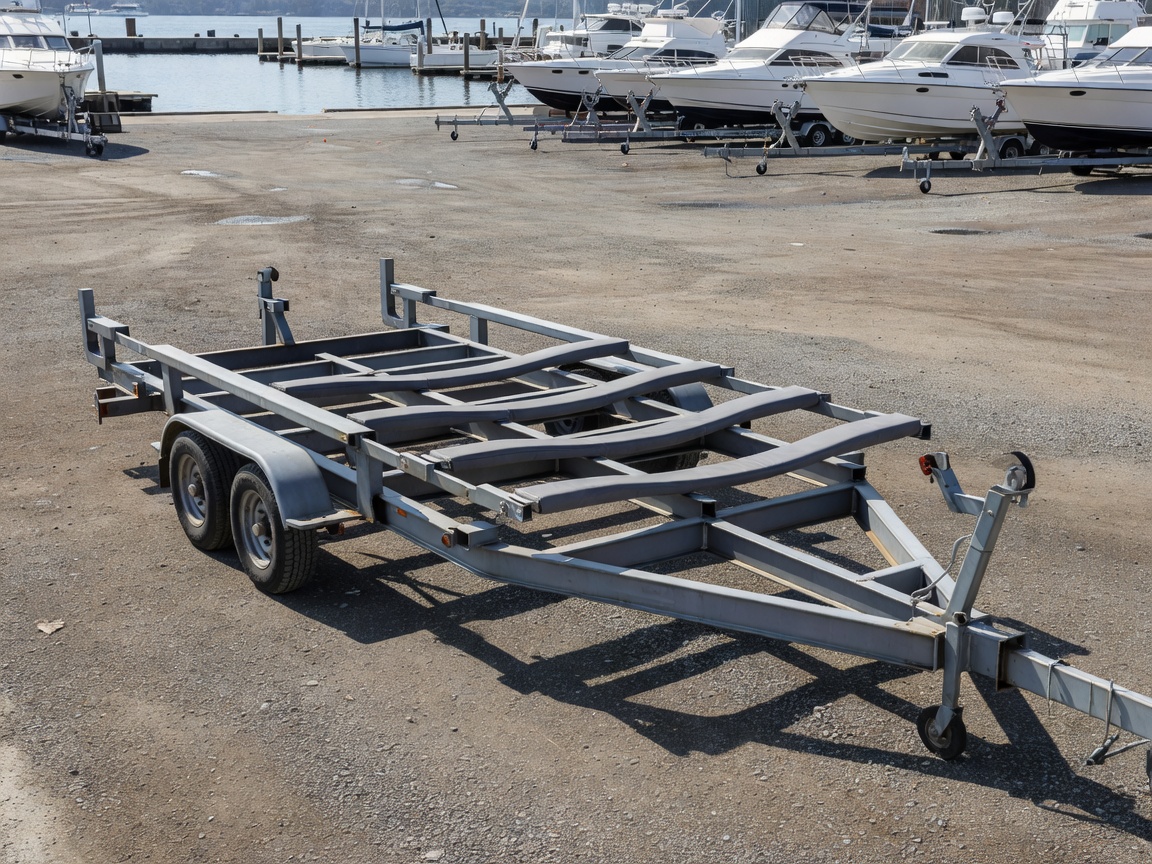
Specialist boat trailer with steel support cradles parked in a marina staging yard
Stage 01 Core Preparation

Boat Transport Planning

Every boat movement begins with the vessel’s geometry rather than the map. Discover how beam dimensions, keel profile, flybridge clearances, and dry weights dictate the transport configuration before a single mile is booked.

  • True draft versus loaded trailer height
  • Marina gate, hoist, and slipway approach clearances
  • Vessel papers, registration, and VAT status records
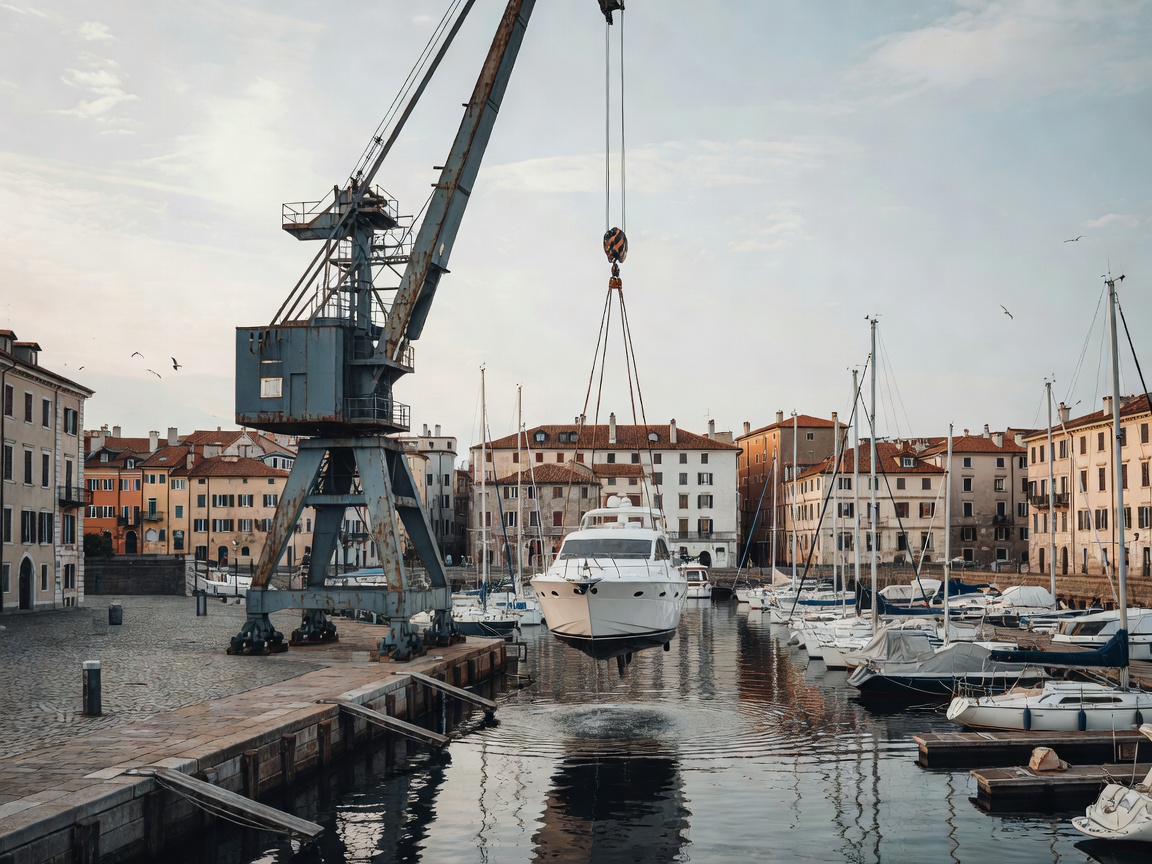
Harbor gantry crane lifting a motor yacht out of a European marina basin
Stage 02 Basin Coordination

Marina-to-Marina Boat Transport

Coordinating between two separate harbor masters, travel-lift operators, and local port authorities requires tight synchronization. We explore handling schedules, turning circles, and tidal windows at both ends of the journey.

  • Managing harbor lift schedules across different countries
  • Tide and draft limitations during haul-out and splashdown
  • Temporary hardstanding and berth booking etiquette
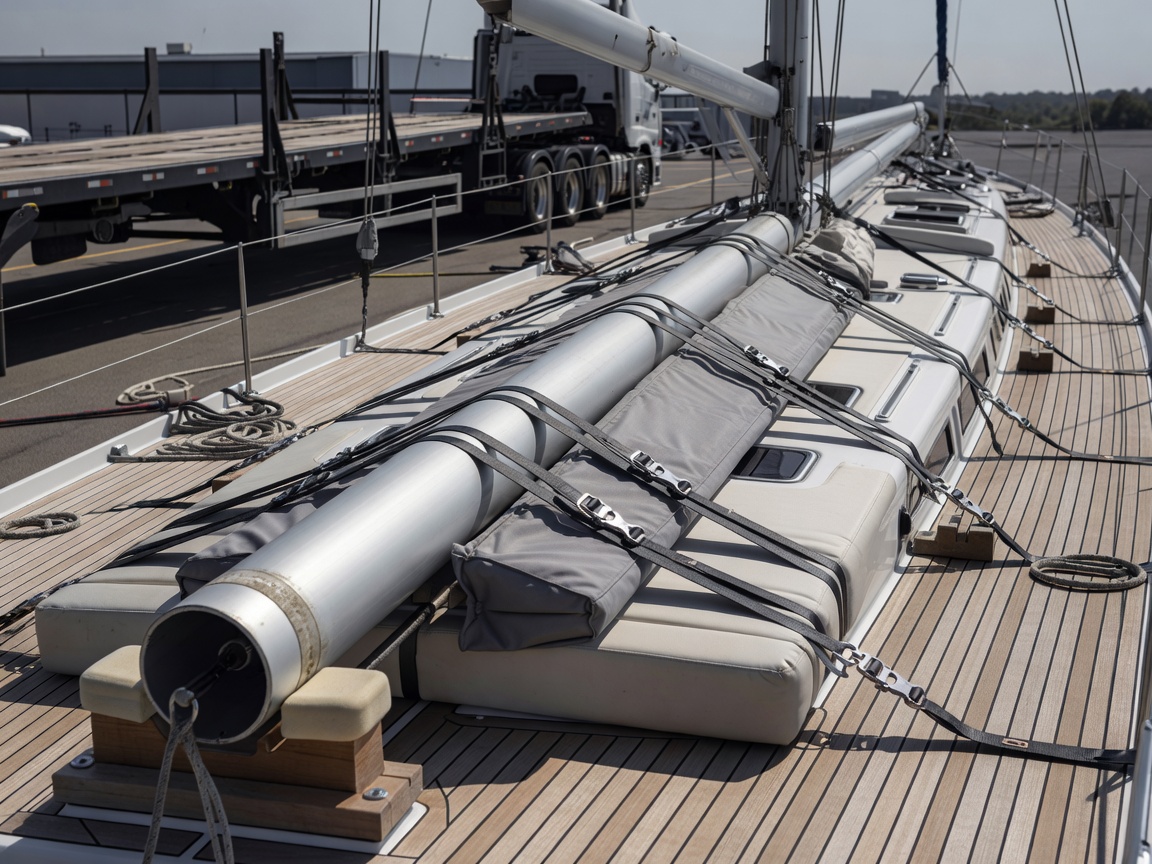
Sailing yacht mast unstepped and secured on deck padding ready for highway transit
Stage 03 On-Board Protection

Boat Loading & Preparation

Road vibrations are fundamentally different from ocean swells. Learn the exact protocol for unstepping masts, securing interior lockers, buffering canvas, and protecting transducer through-hulls from trailer rests.

  • Rigging unstepping, spreaders dismounting, and spar lashing
  • Fuel, bilge, and blackwater tank discharge rules
  • Pre-transport photographic baseline documentation
European highway corridor passing through mountain tunnels and viaducts
Stage 04 Route Survey

European Marine Transport Routes

Crossing borders across France, Spain, the Netherlands, Germany, and the Mediterranean corridor involves divergent abnormal load categories, bridge clearances, and channel ferry crossing specifications.

  • Navigating national wide-load permit thresholds (Convoi Exceptionnel)
  • Low bridge, toll plaza, and tunnel clearance profiling
  • Ro-Ro ferry vessel reservations and port tie-down points
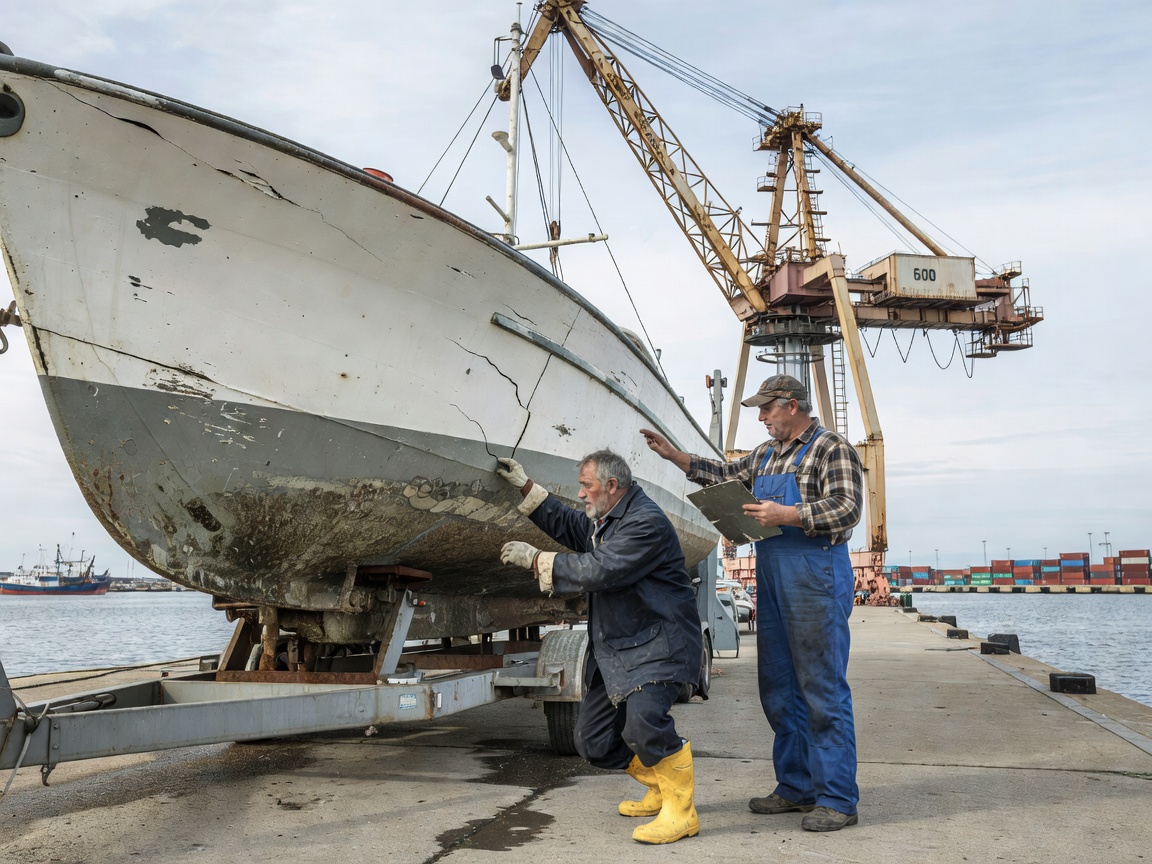
Skipper and transport driver inspecting boat hull on trailer alongside harbor crane
Stage 05 Arrival Protocol

Boat Delivery & Handover

The journey concludes when the vessel is safely set upon its destination blocks or in the water. We detail the mutual sign-off process, crane sling positioning, post-transit equipment rechecks, and handover paperwork.

  • Arrival condition cross-checks against departure baseline
  • Coordination with yard staff on hull sling markings
  • Seacock, rudder gland, and bilge verification after splash
Operational Perspective

A BOAT MOVE IS A LOGISTICS PROJECT, NOT JUST A JOURNEY.

A successful relocation depends on treating the process as five interdependent disciplines rather than just booking a truck driver.

VESSEL

Accurate hull specifications: total beam including rub rails, keel draft, dry displacement versus loaded cruising displacement, and structural lifting pad balance.

EQUIPMENT

Low-bed trailers, pneumatic cradles matching hull deadrise, heavy-duty soft strops, mast carriers, and weather-resistant protective wraps that endure motorway wind speeds.

ROUTE

Pre-surveyed motorways, toll gate lane dimensions, national wide-load permit classifications, seasonal summer driving bans, and coordinated maritime ferry links.

ACCESS

Harbor slipway gradients, turning radius for articulated rigs in tight fishing ports, overhead telephone wires, gate clearance, and crane operating zones.

HANDOVER

Mutual condition surveys, sling line verification, dockmaster release paperwork, launch verification, and formal signed release forms between owner and carrier.

Direct Coordination

Ready to review your vessel's upcoming route?

Tell us your vessel specifications, pickup marina, and destination port. We review the logistical feasibility, cradle setup, and route clearance requirements.

Inquire About Transport Planning
===ENDFILE=== ===FILE: boat-transport-planning.html===